Mixing Cichlid Species
Guidelines for combining different cichlid species in the same aquarium.
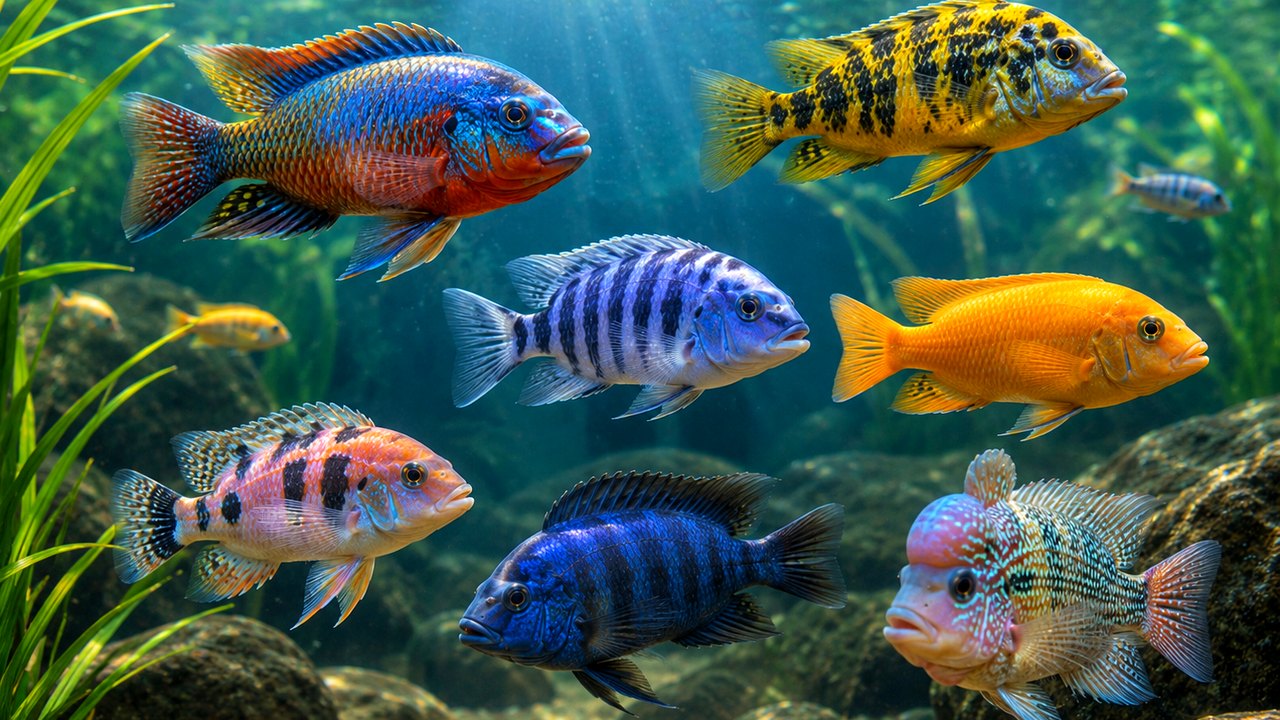
Mixing different cichlid species in the same aquarium can be rewarding but requires careful planning.
Compatibility
Successful combinations often include species with similar:
- size
- aggression level
- water parameter preferences
Mixing species with drastically different requirements can cause stress or conflict.
Observation
Aquarists should observe fish carefully after introducing new species. Early signs of aggression or stress should be addressed quickly by adjusting the tank environment.
Better Next-Step Guides
If you are still working out species fit, compare Best Beginner Cichlids by Tank Size and Peacock vs Mbuna for Beginners before making stocking decisions.
Practical Example
A well planned aquarium usually solves problems before they appear. When aquarists match tank size, species temperament, and layout structure, fish behave more naturally and stress stays lower.
Beginner Mistakes
• choosing fish before planning the tank
• mixing incompatible species based on color
• ignoring early warning signs like chasing or hiding
• skipping routine water changes
Decision Guidance
If you are unsure what to do, step back and ask three questions:
- Does the tank size fit the adult fish?
- Does the layout provide shelter and territory?
- Are the species compatible in temperament and water needs?
If those three conditions are met, most cichlid aquariums become much easier to maintain.
Better Next Stops
If you are mixing species, these guides usually answer the real question faster than guessing by color or store labels: